Exploring the world of Roofing and Siding Contractors: Licensing, Warranties, and Red Flags, this piece sets the stage for a deep dive into the intricacies of the industry, offering valuable insights and practical advice.
Delving into the specifics of licensing, warranties, and red flags, this guide aims to equip readers with the knowledge needed to make informed decisions when hiring contractors for their roofing and siding projects.
Licensing Requirements for Roofing and Siding Contractors
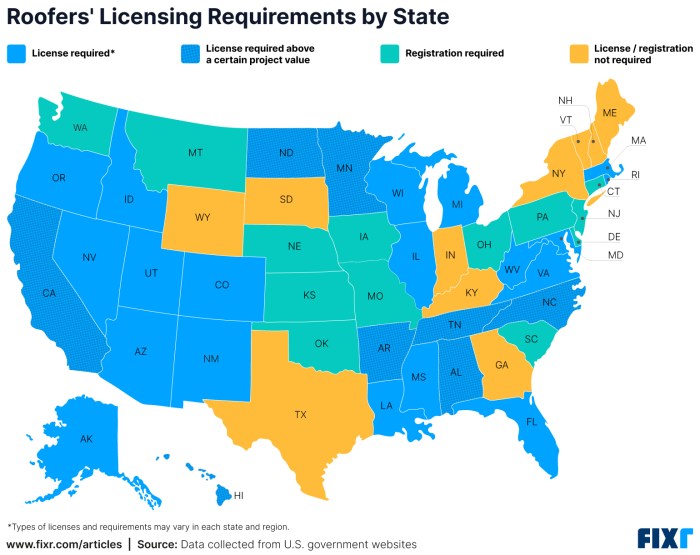
In the roofing and siding industry, licensing is a crucial aspect that ensures contractors meet certain standards and qualifications to provide services. It also serves as a form of protection for consumers, guaranteeing that the contractor has the necessary skills and knowledge to perform the job effectively.
Specific Licenses for Roofing and Siding Contractors
To operate as a roofing and siding contractor, specific licenses are required depending on the state or region. These licenses typically include:
- Roofing Contractor License: This license specifically authorizes the contractor to work on roofing projects, ensuring they have the expertise needed for the job.
- Siding Contractor License: Similarly, this license is focused on siding installation and repair, verifying the contractor's proficiency in working with siding materials.
Process of Obtaining Licenses
The process of obtaining these licenses usually involves meeting certain prerequisites set by the licensing board. This may include:
- Completing relevant education or training programs.
- Gaining a certain amount of work experience in the field.
- Paying the required fees and passing a licensing exam.
Having the appropriate licenses not only demonstrates the contractor's credibility and expertise but also ensures that they adhere to industry standards and regulations, ultimately benefiting both the contractors and the clients.
Warranties Offered by Roofing and Siding Contractors
Warranties play a crucial role in the roofing and siding projects as they provide assurance to the homeowner regarding the quality of work and materials used. A good warranty can offer peace of mind and protect the investment made in the property.
Types of Warranties
- Labor Warranty: This type of warranty covers the workmanship of the contractor. It assures that the contractor will repair any issues related to installation errors.
- Manufacturer's Warranty: This warranty covers the materials used in the roofing and siding project. It ensures that the materials are free from defects and will perform as expected.
- Extended Warranty: Some contractors offer extended warranties that go beyond the standard coverage period. These warranties provide additional protection for a longer duration.
Components of Comprehensive Warranty
A comprehensive warranty for roofing and siding work should include:
- Duration: Clearly specify the length of the warranty coverage.
- Coverage: Artikel what aspects of the project are covered under the warranty, such as materials, workmanship, and repairs.
- Exclusions: Clearly state what is not covered under the warranty, such as natural disasters or improper maintenance.
- Transferability: Indicate whether the warranty can be transferred to a new homeowner if the property is sold.
- Claim Process: Provide details on how homeowners can file a warranty claim and the steps involved in getting repairs done.
Red Flags to Watch Out for When Hiring Roofing and Siding Contractors
When looking to hire roofing and siding contractors, it's crucial to be aware of red flags that may indicate an unreliable or unprofessional contractor. By knowing what to watch out for, you can avoid potential issues and ensure you hire a reputable contractor for your project.
Lack of Proper Licensing and Insurance
One of the most significant red flags to watch out for is a contractor who lacks proper licensing and insurance. Before hiring any contractor, always verify that they are licensed to perform roofing and siding work in your area. Additionally, ensure they have liability insurance and workers' compensation coverage to protect you in case of any accidents or damages during the project.
Unrealistically Low Quotes
Another red flag to be wary of is contractors who provide unrealistically low price quotes. While it may be tempting to go with the cheapest option, extremely low quotes could indicate that the contractor is cutting corners or using subpar materials.
Always get multiple quotes from different contractors and be cautious of any bids that seem too good to be true.
Lack of References or Portfolio
A lack of references or a portfolio of past work is also a red flag when hiring roofing and siding contractors. Reputable contractors should be able to provide references from satisfied customers and showcase their previous projects. If a contractor is unable or unwilling to provide references or show you examples of their work, it may be a sign that they have something to hide.
Poor Communication or Unprofessional Behavior
Pay attention to the communication style and behavior of the contractor during the initial consultation and throughout the project. Red flags include poor communication, missed appointments, unprofessional conduct, or a lack of responsiveness to your questions or concerns. A reliable contractor should be transparent, communicative, and respectful at all times.
Pressure Tactics or Lack of Written Contract
Lastly, be cautious of contractors who use high-pressure sales tactics or refuse to provide a written contract. A reputable contractor will always offer a detailed written contract that Artikels the scope of work, timeline, materials to be used, and cost breakdown.
Avoid contractors who try to pressure you into making a quick decision or who are hesitant to put everything in writing.By paying attention to these red flags and doing thorough research before hiring a roofing and siding contractor, you can protect yourself from scams, poor workmanship, and unnecessary stress during your home improvement project.
Closing Notes

Wrapping up our discussion on Roofing and Siding Contractors: Licensing, Warranties, and Red Flags, we've covered essential aspects to consider before embarking on any contracting work. Armed with this information, readers can navigate the process with confidence and clarity.
Q&A
What licenses are required for roofing and siding contractors?
Roofing and siding contractors typically need a state contractor's license and possibly a specialty license specific to roofing or siding work. It's important to verify the specific requirements in your state.
What should a comprehensive warranty for roofing and siding work include?
A comprehensive warranty should cover materials, workmanship, and potential issues that may arise after the project is completed. It should also specify the duration of coverage and any conditions that may void the warranty.
How can I identify red flags when hiring roofing and siding contractors?
Common red flags include contractors asking for full payment upfront, lack of proper licensing or insurance, and poor communication or responsiveness. It's important to do thorough research and ask for references before hiring a contractor.