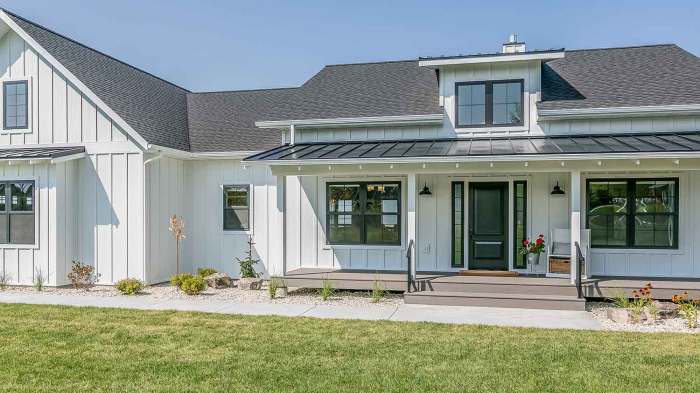
Residential Siding Contractors: What Homeowners Should Know Before Hiring sets the stage for this informative discussion, shedding light on key aspects homeowners need to consider before embarking on siding projects.
The following paragraphs delve into the nuances of hiring residential siding contractors, exploring different types of siding, factors to consider, installation processes, and maintenance tips.
Importance of Residential Siding Contractors
Residential siding contractors play a crucial role in home improvement projects, especially when it comes to enhancing the exterior of a house. They are skilled professionals who specialize in the installation, repair, and maintenance of siding materials.
Benefits of Hiring Professional Contractors
- Expertise: Professional contractors have the knowledge and experience to ensure proper installation of siding materials, taking into account factors like weather conditions and architectural design.
- Quality Workmanship: Experienced contractors use the right tools and techniques to deliver high-quality results that enhance the curb appeal and durability of your home.
- Time and Cost Efficiency: Hiring professionals saves you time and money in the long run, as they can complete the project efficiently and effectively without costly mistakes.
Examples of Quality Workmanship
Experienced contractors meticulously prepare the surface before installing siding to ensure proper adhesion and prevent moisture issues.
They pay attention to detail, such as matching patterns and textures, to create a seamless and visually appealing finish.
Professional contractors also provide warranties on their work, giving homeowners peace of mind and assurance of a job well done.
Types of Residential Siding
When it comes to residential siding, there are several options to choose from, each with its own set of advantages and disadvantages. It's important for homeowners to understand the different types of siding materials available so they can make an informed decision based on their needs and preferences.
Vinyl Siding
Vinyl siding is one of the most popular choices for homeowners due to its affordability, low maintenance requirements, and wide range of colors and styles. It is durable, resistant to rot and insects, and can last for many years. However, it may crack or fade over time, and repairs can be challenging.
Wood Siding
Wood siding provides a natural and classic look to a home, adding warmth and charm. It is environmentally friendly and can be easily painted or stained to match the homeowner's preferences. However, wood siding requires regular maintenance, such as painting, staining, and sealing to prevent rot, pests, and moisture damage.
Fiber Cement Siding
Fiber cement siding is a durable and low-maintenance option that is resistant to fire, pests, and rot. It can mimic the look of wood or masonry but without the same level of maintenance. However, installation can be more complex and costly compared to other siding materials.
Metal Siding
Metal siding, such as aluminum or steel, is known for its durability, strength, and resistance to fire and pests. It is low maintenance and can last for many years. However, metal siding may dent or scratch easily, and certain types of metal can be prone to rust if not properly maintained.
Factors to Consider Before Hiring
When selecting a residential siding contractor, homeowners need to consider several key factors to ensure a smooth and successful project.
Verify the Contractor’s Credentials, Licenses, and Insurance
It is crucial to verify that the residential siding contractor you are considering is licensed, insured, and has the necessary credentials to perform the job. A reputable contractor should be able to provide proof of their qualifications and insurance coverage.
This step helps protect you as the homeowner in case of any accidents or damages during the project.
Getting Accurate Cost Estimates and Timelines
Before hiring a residential siding contractor, make sure to get detailed cost estimates and timelines for the project. Ask for a breakdown of the costs involved, including materials, labor, and any additional fees. It is also important to discuss the timeline for the project and ensure that it aligns with your expectations.
Getting accurate estimates and timelines upfront can help prevent any misunderstandings or delays later on.
Understanding the Siding Installation Process
When it comes to residential siding installation, it is essential to understand the steps involved to ensure a successful outcome for your home. Contractors follow a specific process to prepare the site, remove old siding, and install new materials with proper insulation and weatherproofing.
Typical Steps in Residential Siding Installation
- Site Preparation: Contractors will inspect the area, clear any obstacles, and ensure a clean and level surface for the new siding installation.
- Old Siding Removal: The existing siding will be carefully removed to expose the underlying structure and assess any damages that need to be addressed.
- New Siding Installation: The contractors will then proceed to install the new siding materials, following manufacturer guidelines and industry best practices.
Importance of Proper Insulation and Weatherproofing
- Insulation: Proper insulation helps regulate the temperature inside your home, improving energy efficiency and reducing heating and cooling costs.
- Weatherproofing: Weatherproofing ensures that your home is protected from the elements, preventing water damage, mold growth, and other issues that can arise from exposure to harsh weather conditions.
Maintenance and Longevity of Siding
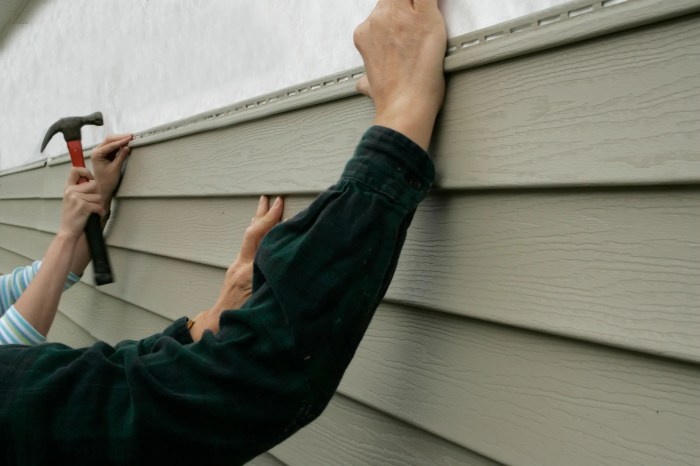
Proper maintenance is crucial for extending the lifespan of your siding and keeping your home looking great. By following some simple guidelines, homeowners can ensure their siding remains in top condition for years to come.
Common Maintenance Practices
- Regular Cleaning: Use a mild detergent and water to clean your siding at least once a year to remove dirt, mold, and mildew buildup.
- Inspect for Damage: Routinely check for any signs of damage such as cracks, holes, or warping, and address them promptly to prevent further issues.
- Trim Vegetation: Keep plants, bushes, and trees trimmed back from the siding to prevent moisture buildup and damage.
- Paint Touch-Ups: If you have painted siding, touch up any chipped or peeling paint to protect the material from the elements.
Addressing Common Issues
- Moisture Damage: Look out for signs of water damage such as rot or mold growth, and address the underlying cause to prevent further deterioration.
- Pest Infestations: Regularly inspect for pests like termites or carpenter ants, as they can cause significant damage to siding if left unchecked.
- Weathering Effects: Extreme weather conditions can take a toll on siding, so be proactive in repairing any damage caused by storms, wind, or hail.
Tips for Longevity
- Schedule Professional Inspections: Consider hiring a professional siding contractor to inspect your siding periodically and make any necessary repairs or maintenance.
- Use Quality Materials: Invest in high-quality siding materials that are durable and resistant to damage, ensuring a longer lifespan for your home's exterior.
- Follow Manufacturer Recommendations: Adhere to the manufacturer's guidelines for care and maintenance to maximize the longevity of your siding.
Ending Remarks
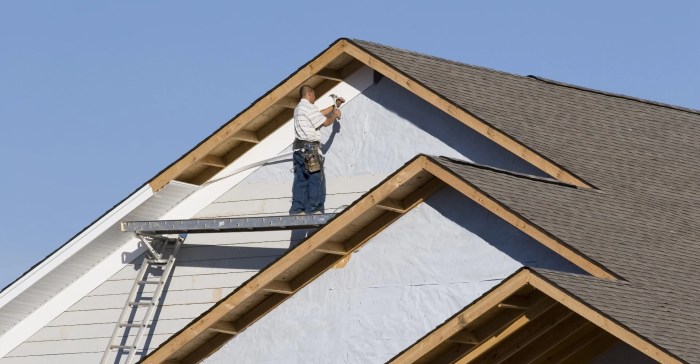
In conclusion, being well-informed about residential siding contractors is crucial for homeowners looking to enhance their property. Armed with this knowledge, homeowners can make informed decisions and ensure successful siding projects.
Common Queries
How can homeowners verify a contractor's credentials?
Homeowners can verify a contractor's credentials by checking for licenses, certifications, and insurance coverage. It's essential to request and verify this information before hiring.
What are the common issues that may arise with siding over time?
Common issues with siding can include warping, discoloration, or mold growth. Regular inspections and prompt repairs can help address these issues effectively.
What are the benefits of hiring professional contractors for siding installation?
Professional contractors bring expertise, experience, and quality workmanship to the project. They can ensure proper installation, durability, and a finished look that adds value to the home.