Embark on a journey through the world of eco-friendly siding options, where sustainability meets style and functionality. From innovative materials to cost-effective solutions, this guide delves into the realm of environmentally conscious choices for your home.
Delve into the specifics of each siding material, understanding their benefits and how they contribute to a greener future.
Types of Eco-Friendly Siding Options
When it comes to eco-friendly siding options, there are several materials available that offer sustainability benefits while enhancing the aesthetic appeal of a property.
1. Recycled Vinyl Siding
Recycled vinyl siding is made from reclaimed vinyl materials, reducing waste and promoting sustainability. It is durable, low-maintenance, and comes in a variety of colors and styles to suit different architectural preferences.
2. Fiber Cement Siding
Fiber cement siding is composed of cement, sand, and cellulose fibers, making it a durable and eco-friendly option. It is resistant to rot, fire, and pests, requiring minimal maintenance over its lifespan.
3. Wood Siding
Wood siding sourced from sustainably managed forests is a classic eco-friendly option. It provides natural insulation, is biodegradable, and can be recycled or repurposed at the end of its lifespan.
4. Engineered Wood Siding
Engineered wood siding is a blend of wood fibers, wax, and resins, offering the look of natural wood with enhanced durability and resistance to moisture and insects. It is a sustainable alternative to traditional wood siding.
5. Metal Siding
Metal siding, such as steel or aluminum, is a durable and recyclable option for eco-conscious homeowners. It is long-lasting, low-maintenance, and can be repurposed at the end of its use.
6. Brick Siding
Brick siding is a sustainable choice that offers excellent thermal mass properties, helping to regulate indoor temperatures and reduce energy consumption. It is fire-resistant, long-lasting, and requires minimal maintenance.
Benefits of Eco-Friendly Siding Options
- Reduced environmental impact through the use of recycled or sustainably sourced materials.
- Improved energy efficiency and insulation, leading to lower utility costs.
- Durable and long-lasting materials that require minimal maintenance over time.
- Enhanced curb appeal and property value with a wide range of styles and colors available.
Comparison of Durability and Maintenance
- Recycled vinyl siding: Low maintenance, moderate durability.
- Fiber cement siding: Low maintenance, high durability.
- Wood siding: Moderate maintenance, moderate durability.
- Engineered wood siding: Low maintenance, high durability.
- Metal siding: Low maintenance, high durability.
- Brick siding: Low maintenance, high durability.
Cost Implications of Eco-Friendly Siding
- Eco-friendly siding options may have a higher upfront cost compared to traditional materials.
- However, the long-term savings on energy bills and maintenance costs can offset the initial investment.
- Consider the lifespan and durability of the material when evaluating the overall cost-effectiveness.
Sustainable Sourcing and Production
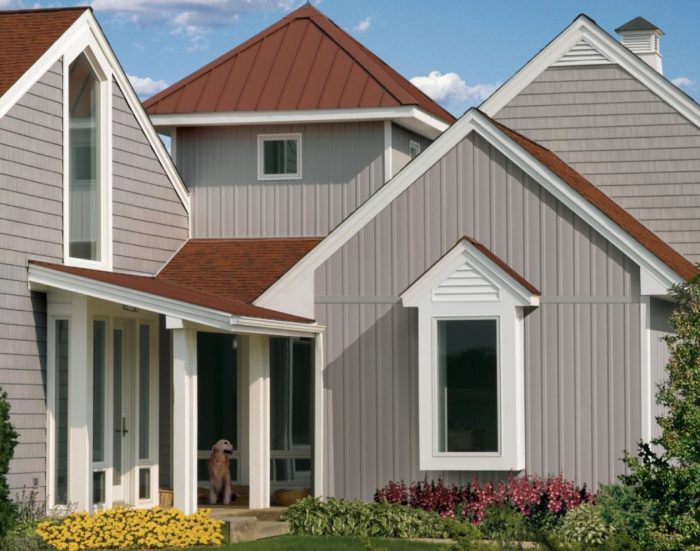
When it comes to eco-friendly siding options, sustainable sourcing and production play a crucial role in reducing the environmental impact of construction and renovation projects. By understanding how these materials are sourced and produced, we can make more informed decisions that benefit both our homes and the planet.One of the key aspects of eco-friendly siding materials is the sustainable sourcing of raw materials.
This involves harvesting or extracting resources in a way that ensures the long-term health and viability of the ecosystems they come from. For example, wood siding can be sourced from responsibly managed forests that prioritize reforestation and biodiversity conservation.In terms of production, eco-friendly siding options often involve processes that minimize waste, energy consumption, and harmful emissions.
This can include using recycled materials, implementing efficient manufacturing techniques, and reducing the use of toxic chemicals. By choosing siding products that are produced in an environmentally conscious manner, we can significantly lower the carbon footprint of our homes.
Certifications and Standards
When selecting environmentally friendly siding, it’s essential to look for certifications and standards that validate the sustainability claims of the products. Some common certifications to consider include Forest Stewardship Council (FSC) certification for wood products, Cradle to Cradle certification for overall environmental performance, and Energy Star certification for energy efficiency.These certifications ensure that the siding materials meet specific criteria related to responsible sourcing, low environmental impact, and performance efficiency.
By choosing products with reputable certifications, homeowners can have confidence in the eco-friendliness of their siding choices and contribute to a more sustainable construction industry.
Impact on the Environment
Sustainable sourcing and production practices in the manufacturing of eco-friendly siding options have a direct impact on reducing the environmental footprint of construction projects. By prioritizing the use of renewable resources, minimizing waste generation, and adopting eco-friendly production methods, the overall carbon emissions and resource depletion associated with siding installation can be significantly reduced.In addition, sustainable sourcing and production contribute to maintaining healthy ecosystems, preserving natural habitats, and promoting biodiversity.
This holistic approach to environmental stewardship ensures that the use of eco-friendly siding materials not only benefits homeowners but also supports the long-term health of the planet.
Energy Efficiency and Insulation
When it comes to eco-friendly siding options, one key benefit is the improvement in energy efficiency within homes. The insulation properties of different siding materials play a significant role in reducing energy consumption and lowering utility bills.
Insulation Properties of Eco-Friendly Siding Materials
- Bamboo Siding: Bamboo siding is known for its excellent insulation properties, helping to regulate indoor temperatures and reduce the need for constant heating or cooling.
- Cork Siding: Cork siding offers natural thermal insulation, keeping homes cool in the summer and warm in the winter, thus reducing the reliance on heating and cooling systems.
- Recycled Metal Siding: Recycled metal siding provides great insulation against heat and cold, helping to maintain a comfortable indoor environment throughout the year.
Installation and Maintenance Considerations
When it comes to installing eco-friendly siding options, there are a few key considerations to keep in mind. Proper installation is crucial to ensure the effectiveness and longevity of the siding, as well as to maximize its energy efficiency benefits.
Additionally, different types of eco-friendly siding materials may have specific installation requirements that need to be followed for optimal performance.
Maintenance Requirements for Different Types of Eco-Friendly Siding Materials
- Wood Siding: Regular maintenance such as staining or painting is typically required to protect the wood from moisture and decay. Inspecting for signs of rot or damage and addressing them promptly is also important.
- Fiber Cement Siding: This material is low maintenance but may require occasional cleaning to prevent dirt and mold buildup. Inspecting for cracks or chips and repairing them as needed can help extend the lifespan of the siding.
- Recycled Plastic Siding: Generally low maintenance, but periodic cleaning with mild soap and water can help maintain its appearance. Checking for any loose or damaged panels and replacing them promptly is recommended.
Tips for Ensuring Longevity and Optimal Performance of Eco-Friendly Siding
- Regularly inspect the siding for any signs of damage, wear, or mold growth, and address them promptly.
- Follow the manufacturer’s guidelines for cleaning and maintenance to ensure the siding stays in good condition.
- Avoid using harsh chemicals or abrasive materials when cleaning the siding to prevent damage.
- Consider applying a protective coating or sealant to enhance the durability of the siding.
Lifespan of Eco-Friendly Siding Compared to Traditional Siding Options
Eco-friendly siding options are generally designed to be durable and long-lasting, often outperforming traditional siding materials in terms of lifespan. While traditional siding materials like vinyl or aluminum may last 20-30 years, eco-friendly options such as fiber cement or reclaimed wood siding can have a lifespan of 50 years or more with proper maintenance.
Investing in eco-friendly siding can not only benefit the environment but also provide long-term cost savings due to reduced maintenance and replacement needs.
Final Thoughts
In conclusion, eco-friendly siding options offer a blend of sustainability, durability, and energy efficiency for modern homes. By choosing these alternatives, you not only enhance the aesthetics of your property but also make a positive impact on the environment.
Essential Questionnaire
Are eco-friendly siding options more expensive than traditional materials?
While the initial cost may be higher, the long-term savings on energy bills and maintenance often make eco-friendly siding options more cost-effective in the end.
Do eco-friendly siding materials require special maintenance?
Most eco-friendly siding materials require minimal maintenance, with occasional cleaning and inspections to ensure longevity.
How do eco-friendly siding options contribute to energy efficiency?
By providing better insulation and reducing heat loss, eco-friendly siding options help in maintaining a consistent indoor temperature, thus lowering energy consumption for heating and cooling.