Delving into the realm of custom built homes vs modular homes, we explore the nuances and differences between these two popular housing options. From design choices to construction processes, this comparison sheds light on the key aspects that influence homebuyers’ decisions.
Let’s dive into the intricacies of custom built homes and modular homes to gain a deeper understanding of what sets them apart and what factors to consider when choosing your ideal living space.
Custom Built Homes
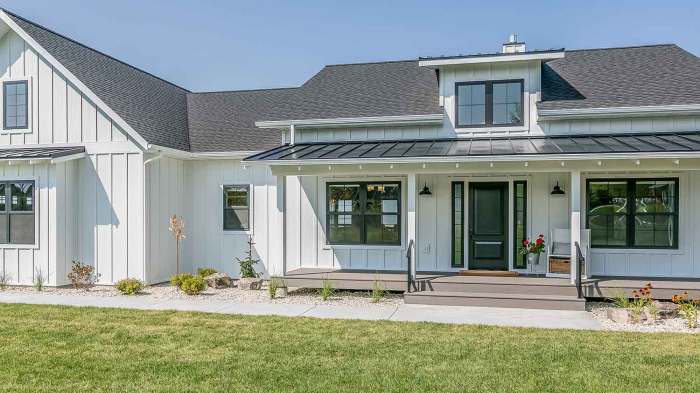
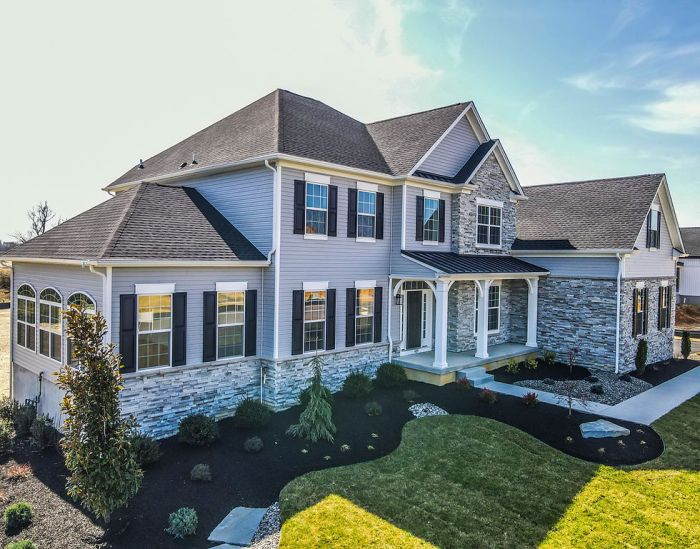
Custom built homes are unique properties that are designed and constructed according to the specific preferences and requirements of the homeowner. Unlike pre-built or modular homes, custom built homes offer a high level of personalization and flexibility in terms of design, layout, and features.
Benefits of Opting for a Custom Built Home
- Personalization: Homeowners have full control over the design and layout of their property, ensuring that it meets their individual needs and lifestyle.
- Quality Craftsmanship: Custom built homes are often constructed with higher quality materials and attention to detail, resulting in a more durable and long-lasting property.
- Energy Efficiency: Custom built homes can be designed with energy-efficient features and green building practices, leading to lower utility costs and a smaller environmental footprint.
- Increased Resale Value: Custom built homes are typically more valuable on the real estate market due to their unique design and high-quality construction.
Customization Options Available in Custom Built Homes
When designing a custom built home, homeowners can choose from a wide range of customization options, including:
- Architectural Style: From traditional to modern, homeowners can select the architectural style that best suits their taste.
- Interior Layout: Custom built homes allow for the creation of unique floor plans that maximize space and functionality.
- Finishes and Fixtures: Homeowners can select their preferred finishes, fixtures, and appliances to create a cohesive and personalized look throughout the home.
- Smart Home Technology: Custom built homes can be equipped with the latest smart home features for added convenience and security.
Process of Designing a Custom Built Home
The process of designing a custom built home typically involves the following steps:
- Initial Consultation: Homeowners meet with a custom home builder to discuss their vision, budget, and timeline for the project.
- Design Phase: Architects and designers work closely with the homeowners to create detailed floor plans and elevation drawings based on their preferences.
- Selection of Materials: Homeowners choose the materials, finishes, and fixtures for their custom built home, taking into account both aesthetics and functionality.
- Construction: Once the design is finalized and permits are obtained, construction begins on the custom built home, with regular updates provided to the homeowners throughout the process.
- Final Walkthrough: After construction is complete, homeowners conduct a final walkthrough of the property to ensure that all aspects meet their expectations before moving in.
Modular Homes
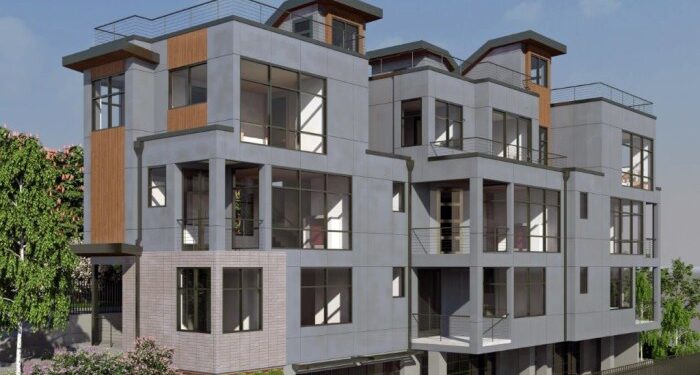
Modular homes are prefabricated homes that are built in sections or modules in a factory setting and then transported to the building site for assembly. These homes are different from traditional custom-built homes as they are constructed off-site and then pieced together on the homeowner’s property.
Construction Process of Modular Homes
Modular homes are built in a controlled factory environment, which allows for efficient production and quality control. The construction process involves designing the home, building the modules in the factory, transporting the modules to the site, and assembling them on a foundation.
This streamlined process typically takes less time than building a custom home on-site.
Advantages of Choosing a Modular Home
1. Faster construction time
Modular homes are typically built faster than custom homes due to the controlled factory environment.
2. Cost-effective
Modular homes can be more cost-effective than custom homes as they often involve less waste and labor.
3. Quality control
The factory setting of modular homes allows for strict quality control measures to be implemented during construction.
4. Energy-efficient
Modular homes are often designed with energy efficiency in mind, leading to potential savings on utility bills.
Cost-effectiveness of Modular Homes vs Custom Built Homes
When comparing the cost-effectiveness of modular homes with custom-built homes, modular homes typically come out as the more affordable option. This is due to factors such as quicker construction time, reduced labor costs, and less material waste in the factory setting.
Additionally, the controlled environment of modular home construction can lead to fewer delays and unexpected expenses, making it a more predictable choice for budget-conscious homeowners.
Design and Customization
When it comes to designing and customizing your home, both custom built and modular homes offer unique advantages. Let’s delve into the specifics of design flexibility and customization options for each type of home.
Design Flexibility in Custom Built Homes
Custom built homes provide unparalleled design flexibility. Homeowners have the freedom to work closely with architects and builders to create a one-of-a-kind home that suits their specific needs and preferences. From choosing the layout, materials, finishes, and architectural details, every aspect of a custom built home can be tailored to reflect the homeowner’s style and vision.
Customization Options in Modular Homes
While modular homes may have some limitations in design flexibility compared to custom built homes, they still offer a variety of customization options. Homebuyers can select from a range of pre-designed floor plans and customize features such as finishes, fixtures, and appliances to suit their taste.
Additionally, modular homes can be easily expanded or modified in the future to accommodate changing needs.
Design Process Comparison
The design process for custom built homes typically involves extensive collaboration between the homeowner, architect, and builder. This hands-on approach allows for a high level of customization and attention to detail throughout the construction process. On the other hand, modular homes follow a more streamlined design process, with many decisions made upfront during the selection of pre-designed floor plans and customization options.
Impact of Design Choices
The design choices made in both custom built and modular homes can significantly impact the overall feel and functionality of the home. In custom built homes, every detail is carefully considered to create a personalized living space that reflects the homeowner’s lifestyle.
In contrast, modular homes offer efficient construction methods and cost savings, while still allowing for a degree of customization to make the home feel uniquely yours.
Construction Process
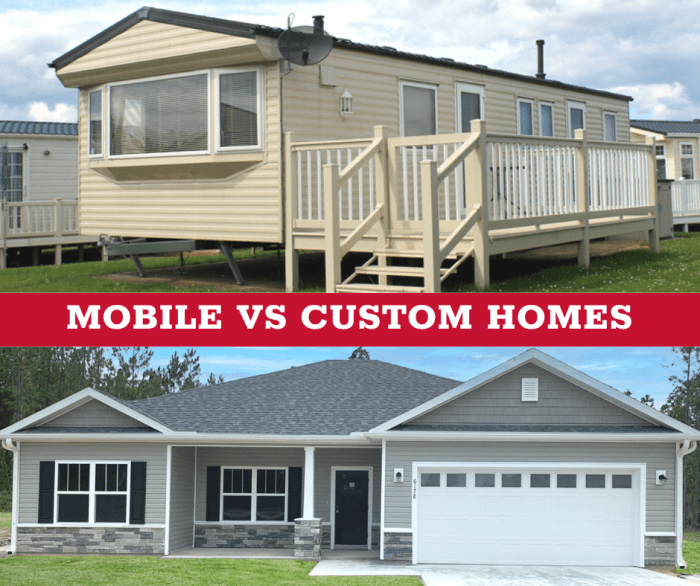
When it comes to the construction process, custom built homes and modular homes have distinct approaches. Let’s delve into the construction timeline, assembly process, environmental impact, and quality control measures for both types of homes.
Construction Timeline for Custom Built Homes
Custom built homes typically have a longer construction timeline compared to modular homes. The process involves detailed planning, site preparation, foundation laying, framing, interior and exterior finishing, and final inspections. Depending on the size and complexity of the home, the construction timeline can range from several months to over a year.
Assembly Process of Modular Homes
Modular homes are constructed in a factory setting in modules or sections. These modules are then transported to the site and assembled together to form the complete home. The assembly process is more streamlined and efficient compared to traditional on-site construction, as it can be completed in a matter of weeks.
Environmental Impact
When it comes to the environmental impact, modular homes are often considered more sustainable than custom built homes. The controlled factory environment reduces waste, minimizes material usage, and allows for better energy efficiency. Additionally, the transportation of modular home modules to the site can also have a lower carbon footprint compared to multiple deliveries of materials to a custom built home site.
Quality Control Measures
Both custom built homes and modular homes have quality control measures in place to ensure the structural integrity and safety of the homes. Custom built homes often involve on-site inspections at different stages of construction, while modular homes undergo rigorous inspections in the factory setting before being transported to the site.
These measures help maintain high standards of quality and craftsmanship in both types of homes.
Final Summary
In conclusion, the debate between custom built homes and modular homes offers a multitude of considerations for prospective homeowners. Whether you prioritize design flexibility, cost-effectiveness, or construction timelines, this comparison serves as a valuable guide to help you make an informed decision that aligns with your preferences and lifestyle.
Detailed FAQs
Can I make design changes after the building process has started?
With custom built homes, making design changes mid-process can be challenging and costly. Modular homes, on the other hand, offer limited flexibility for modifications once construction begins.
Do modular homes have a shorter construction timeline compared to custom built homes?
Modular homes typically have a faster construction timeline due to their assembly line process, whereas custom built homes involve a more intricate and time-consuming construction process.
Are modular homes more environmentally friendly than custom built homes?
Modular homes are often considered more environmentally friendly as they generate less waste during construction compared to traditional custom built homes.