Step into the world of board and batten home exteriors where classic charm meets modern elegance. Discover the rich history, versatile materials, and creative design ideas that make these homes stand out in the crowd.
Uncover the secrets behind the enduring popularity of board and batten exteriors and get ready to be inspired by the possibilities they offer for your own home.
Overview of Board and Batten Homes
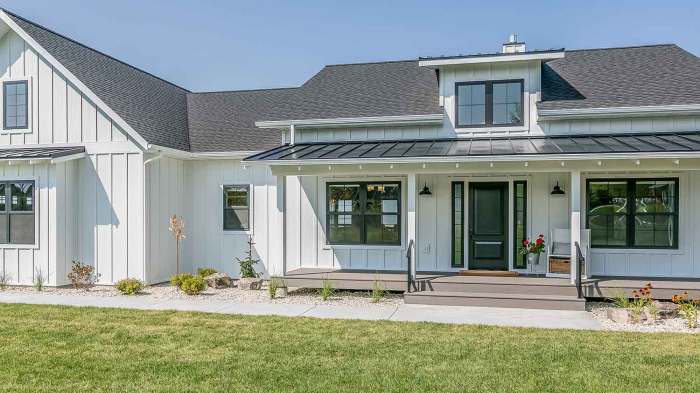
Board and batten homes are characterized by their exterior siding design, which consists of wide wooden boards (the ‘boards’) with narrow strips of wood (the ‘battens’) covering the seams between the boards.
This style of siding has a long history, dating back to medieval Europe and North America. Originally used as a practical and cost-effective way to protect buildings from the elements, board and batten siding has since become a popular architectural choice for its aesthetic appeal and versatility.
Historical Significance of Board and Batten Siding
Board and batten siding has been used for centuries in various regions around the world. In medieval times, it was a common building technique due to its simplicity and effectiveness in providing insulation and protection against weather conditions. The vertical arrangement of boards and battens allowed for easy installation and maintenance, making it a practical choice for many structures.
Popularity of Board and Batten Homes in Modern Architecture
Today, board and batten homes have seen a resurgence in popularity in modern architecture. The clean lines and rustic charm of this siding style appeal to homeowners looking for a unique and timeless design for their homes. Additionally, board and batten siding can be painted in a variety of colors, making it a versatile option for achieving different aesthetics and design preferences.
Materials Used in Board and Batten Construction
When it comes to board and batten construction, the choice of materials plays a crucial role in determining the overall look, durability, and maintenance of the exterior. Common materials used for board and batten siding include wood, vinyl, and fiber cement.Wood:Wood is a traditional and popular choice for board and batten siding.
Different types of wood can be used, such as cedar, pine, or fir. Cedar is a preferred option due to its natural resistance to rot, insects, and decay. Pine is more affordable but requires regular maintenance to prevent warping or rotting.
Fir is another option that offers a balance between cost and durability.Vinyl:Vinyl board and batten siding have gained popularity due to its low maintenance requirements and durability. Vinyl is resistant to rot, pests, and moisture, making it a long-lasting option for homeowners.
Additionally, vinyl siding comes in a variety of colors and finishes, providing flexibility in design choices.Fiber Cement:Fiber cement board and batten siding offer a blend of durability and low maintenance. Made from a mix of cement, sand, and cellulose fibers, fiber cement siding is resistant to rot, fire, pests, and harsh weather conditions.
It can mimic the look of wood but requires less maintenance over time.Overall, each material has its own advantages and considerations, so homeowners should choose based on their preferences, budget, and maintenance capabilities.
Installation Process
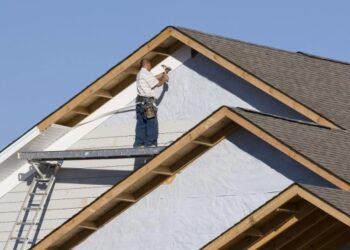
When it comes to installing board and batten siding, there are several important steps to follow to ensure a successful and long-lasting result. Proper installation is crucial for the overall appearance and durability of your board and batten home exterior.
Step 1: Preparation
Before you begin the installation process, make sure to properly prepare the surface where the siding will be installed. This includes removing any existing siding, repairing any damaged areas, and ensuring that the surface is clean and smooth.
Step 2: Measuring and Cutting
Measure the walls where the siding will be installed carefully, and cut the boards to the appropriate length using a saw. It’s important to ensure that the boards fit snugly together without any gaps.
Step 3: Installation
Start by installing the vertical boards (battens) first, followed by the horizontal boards (boards). Secure the boards in place using nails or screws, making sure to leave a small gap between each board to allow for expansion and contraction.
Step 4: Finishing Touches
Once all the boards and battens are installed, make sure to seal any gaps or seams with caulk to prevent water infiltration. Consider applying a coat of paint or stain to protect the siding from the elements and enhance its appearance.
Tips for DIY Installation
- Take your time and follow the manufacturer’s instructions carefully.
- Use a level to ensure that the boards are installed straight and evenly.
- Consider enlisting the help of a friend or family member to make the installation process easier and more efficient.
Importance of Proper Ventilation and Moisture Control
Proper ventilation and moisture control are crucial during the installation of board and batten siding to prevent issues such as mold, mildew, and rot. Make sure to leave adequate space for air circulation behind the siding and use moisture barriers when necessary to protect your home from moisture damage.
Design and Style Ideas
When it comes to designing board and batten homes, there are various style ideas to consider. From traditional to modern, the versatility of board and batten siding allows for a range of design options. Here, we will explore different design variations, discuss how to incorporate board and batten siding with other exterior materials, and share tips for choosing colors and finishes for board and batten exteriors.
Design Variations for Board and Batten Homes
- Traditional: Embrace the classic look of board and batten with a timeless design that exudes charm and character.
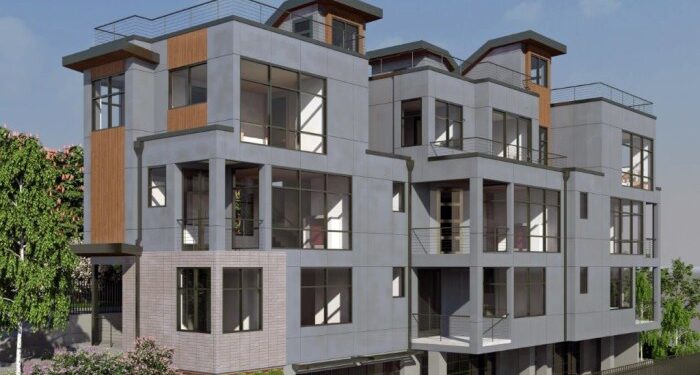
- Modern: Give your board and batten home a contemporary twist by opting for clean lines and a minimalist aesthetic.
- Cottage Style: Create a cozy and inviting atmosphere by combining board and batten siding with quaint details and a warm color palette.
Incorporating Board and Batten with Other Exterior Materials
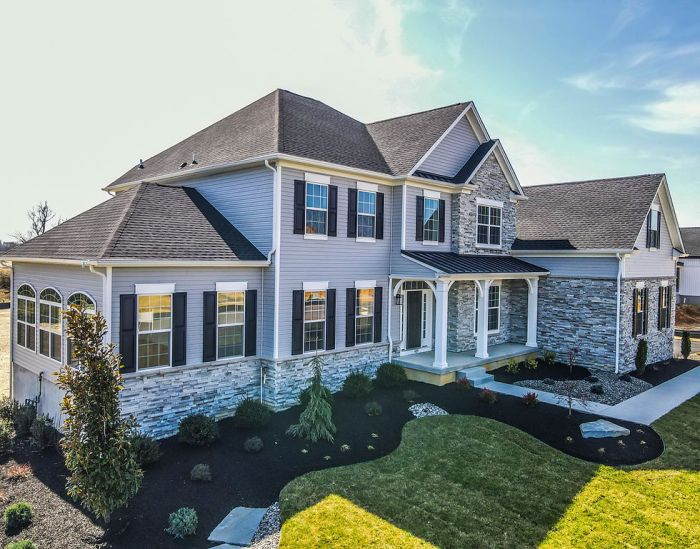
- Mix and Match: Pair board and batten siding with materials like stone, brick, or stucco to add texture and visual interest to your home’s exterior.
- Contrast: Create a striking look by contrasting the board and batten siding with a different material, such as metal or wood.
- Accent Details: Use board and batten as an accent feature alongside other siding materials to highlight architectural elements.
Choosing Colors and Finishes for Board and Batten Exteriors
- Neutral Tones: Opt for classic colors like white, gray, or beige for a timeless appeal that complements the board and batten style.
- Bold Hues: Make a statement with vibrant colors like navy blue, forest green, or deep red to add personality and flair to your home’s exterior.
- Finishes: Consider matte, satin, or glossy finishes to enhance the look of your board and batten siding and create visual depth.
Epilogue
As we wrap up our journey through the realm of board and batten home exteriors, remember that this style is not just a trend but a timeless choice for those who seek a blend of tradition and innovation in their homes.
Embrace the beauty and character of board and batten exteriors, and let your home tell a story of elegance and charm for years to come.
User Queries
What are the benefits of using vinyl for board and batten siding?
Vinyl siding is low maintenance, durable, and comes in a variety of colors, making it a popular choice for board and batten exteriors.
How can board and batten siding be incorporated with other exterior materials?
Board and batten siding can be combined with stone, brick, or stucco to create a unique and visually appealing exterior design.
Are there any specific color recommendations for board and batten exteriors?
Neutral tones like white, gray, or beige are classic choices for board and batten homes, but bold colors can also make a statement depending on the overall design aesthetic.