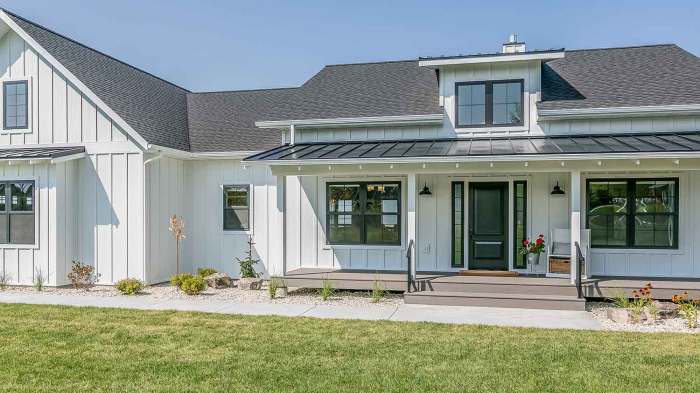
Embarking on the world of commercial painting contractors, this guide aims to shed light on their pivotal role in the construction industry, distinguishing between commercial and residential services, and showcasing the diverse projects they undertake.
Overview of Commercial Painting Contractors
Commercial painting contractors play a crucial role in the construction industry by providing painting services for commercial buildings, offices, retail spaces, and other non-residential properties. They are responsible for ensuring that the exterior and interior of these structures are painted to meet aesthetic standards while also protecting the surfaces from wear and tear.Commercial painting services differ from residential ones in terms of scale, complexity, and requirements.
While residential painters focus on individual homes and smaller projects, commercial painting contractors handle larger buildings and projects that may involve multiple stories, intricate designs, and specialized coatings to withstand harsh weather conditions or high traffic areas.Examples of projects that commercial painting contractors typically work on include painting office buildings, shopping malls, hotels, restaurants, schools, hospitals, warehouses, and industrial facilities.
These projects often require careful planning, coordination with other trades, adherence to safety regulations, and efficient execution to minimize disruptions to business operations or tenant activities.
Services Offered by Commercial Painting Contractors
Commercial painting contractors offer a wide range of services to meet the needs of businesses and organizations looking to enhance their properties. These services go beyond just applying a fresh coat of paint and often include specialized offerings to cater to different industries and requirements.
Specialized Services
Commercial painting contractors often provide specialized services such as:
- Epoxy Flooring: Installing durable epoxy flooring systems that are ideal for high-traffic areas and provide a seamless, easy-to-clean surface.
- Industrial Coatings: Applying protective coatings to industrial facilities to prevent corrosion, enhance safety, and extend the lifespan of equipment and structures.
- Specialty Finishes: Offering unique finishes such as textured coatings, metallic paints, and faux finishes to add a touch of sophistication to commercial spaces.
Importance of Surface Preparation
Proper surface preparation is crucial in commercial painting projects as it ensures a smooth and long-lasting finish. Surface preparation may involve:
- Pressure Washing: Cleaning surfaces to remove dirt, grime, and contaminants that can affect paint adhesion.
- Priming: Applying primer to seal and prepare the surface for paint, ensuring better adhesion and a more uniform finish.
- Repair Work: Addressing any cracks, holes, or damage on the surface before painting to prevent further deterioration and achieve a flawless result.
Qualifications and Skills Required
To become a successful commercial painting contractor, individuals need to possess specific qualifications, certifications, and skills. These requirements ensure that projects are completed with high quality and in compliance with safety regulations.
Qualifications and Certifications
- High school diploma or equivalent
- Completion of a formal apprenticeship program or vocational training in painting
- Obtaining a contractor’s license in the state where work will be performed
- Knowledge of building codes and regulations related to painting
Skills Required for Successful Projects
- Proficiency in surface preparation, including sanding, priming, and caulking
- Expertise in selecting and applying the right type of paint for different surfaces
- Ability to work efficiently and meet project deadlines
- Attention to detail and precision in executing painting tasks
- Strong communication skills to collaborate with clients and team members
Safety Measures and Regulations
- Adherence to Occupational Safety and Health Administration (OSHA) regulations for safe work practices
- Proper handling and disposal of hazardous materials, such as lead-based paint
- Use of personal protective equipment (PPE) like gloves, goggles, and respirators
- Regular safety training for all employees to prevent accidents and injuries on the job site
Factors to Consider When Hiring Commercial Painting Contractors
When hiring a commercial painting contractor, there are several important factors to consider to ensure you choose the right professional for the job.
Insurance and Licensing
It is crucial to check if the commercial painting contractor you are considering is properly insured and licensed. This provides protection for both you as the client and the contractor in case of any accidents or damages during the project.
Make sure to verify their credentials before moving forward.
Pricing Structures and Quotes
Before making a decision, it is advisable to compare pricing structures and quotes from different commercial painting contractors. While cost is an important factor, it should not be the sole determining factor. Consider the quality of work, experience, and reputation of the contractor along with the pricing to make an informed decision.
Trends in Commercial Painting
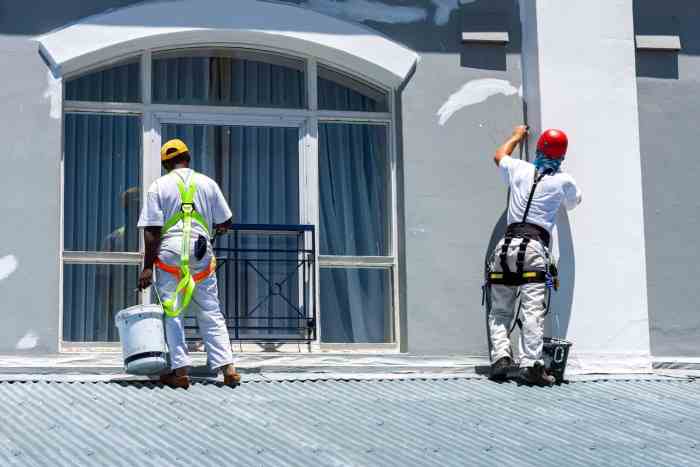
Commercial painting techniques and technology are constantly evolving to meet the changing needs of businesses and industries. In recent years, there has been a growing focus on environmentally friendly painting options and sustainable practices in the commercial painting industry. Additionally, there have been notable innovations and advancements in commercial painting products and equipment that have revolutionized the way projects are carried out.
Environmentally Friendly Painting Options
One of the major trends in commercial painting is the shift towards environmentally friendly painting options. This includes the use of low-VOC (volatile organic compound) paints, which have lower levels of harmful chemicals compared to traditional paints. Many commercial painting contractors are now offering eco-friendly painting solutions to meet the increasing demand for sustainable practices in the industry.
Sustainable Practices
Commercial painting contractors are also adopting sustainable practices in their operations. This includes proper waste management, recycling of materials, and using energy-efficient painting equipment. By implementing sustainable practices, commercial painting contractors are not only reducing their environmental impact but also lowering costs and improving their overall efficiency.
Advancements in Products and Equipment
Advancements in commercial painting products and equipment have greatly improved the quality and efficiency of painting projects. For example, the development of high-quality, durable paints has extended the lifespan of painted surfaces, reducing the need for frequent repainting. Additionally, advanced painting equipment such as spray guns and automated systems have streamlined the painting process, resulting in faster project completion and higher quality finishes.
Wrap-Up
In conclusion, commercial painting contractors play a crucial role in transforming spaces with their expertise. From specialized services to industry trends, they are at the forefront of innovation in the painting realm.
FAQ Section
What qualifications are needed to become a commercial painting contractor?
To become a commercial painting contractor, certifications in painting techniques, safety regulations, and experience in handling commercial projects are essential.
What are some common projects commercial painting contractors work on?
Commercial painting contractors often work on projects such as office buildings, retail spaces, hotels, and industrial facilities.
How important is surface preparation in commercial painting projects?
Surface preparation is crucial in commercial painting projects as it ensures the longevity and quality of the paint job by creating a smooth and clean surface for painting.
Why is insurance and licensing important when hiring commercial painting contractors?
Insurance and licensing are crucial as they protect both the client and the contractor in case of accidents, damages, or issues during the painting project.
What are some current trends in commercial painting techniques?
Current trends in commercial painting include eco-friendly options, innovative technology for faster painting processes, and sustainable practices.